
PRESENTATION ARCHIVE
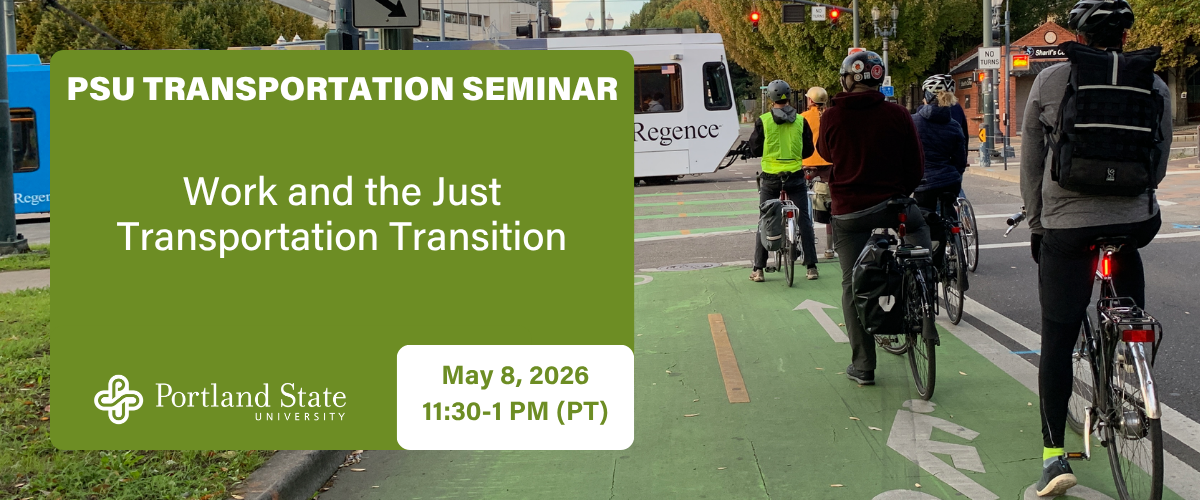
In active transportation planning and scholarship, we typically talk about workforce in terms of commute mode share. Yet "jobs created" is a common indicator of success in transportation infrastructure investment.
How could we estimate jobs created through active transportation investment? Could an active transportation workforce lens build political support for multimodal transportation in landscapes where the bulk of transportation dollars flow into highway construction?
Lugo will share research in progress analyzing the workforce effects of California state and regional funding for active transportation non-infrastructure programs such as open streets and Safe Routes to School. This research applies "just transition" and "high road" frameworks to active transportation education and encouragement programs and seeks to identify employers, workers, and training institutions that make up existing job pipelines. These programs are often facilitated by community-based organizations with deep roots in their service areas but operating on shoestring budgets.
The transportation transition away from fossil fuels and vehicular violence will take much more investment in cultural and social programs to support multimodal travel behavior; what if that investment went into building sustainable careers for keepers of community mobility knowledge?
Sponsored by: TREC, Center for Urban Studies (CUS), and BIPOC Planners Club (BPC)
KEY LEARNING OUTCOMES
- Overview of community-based mobility justice theory and practice.
- Introduction to just transition and high road frameworks.
- Introduction to state transportation funding in California.
 SPEAKERS
Adonia E. Lugo, Staff Researcher, UCLA Institute of Transportation Studies
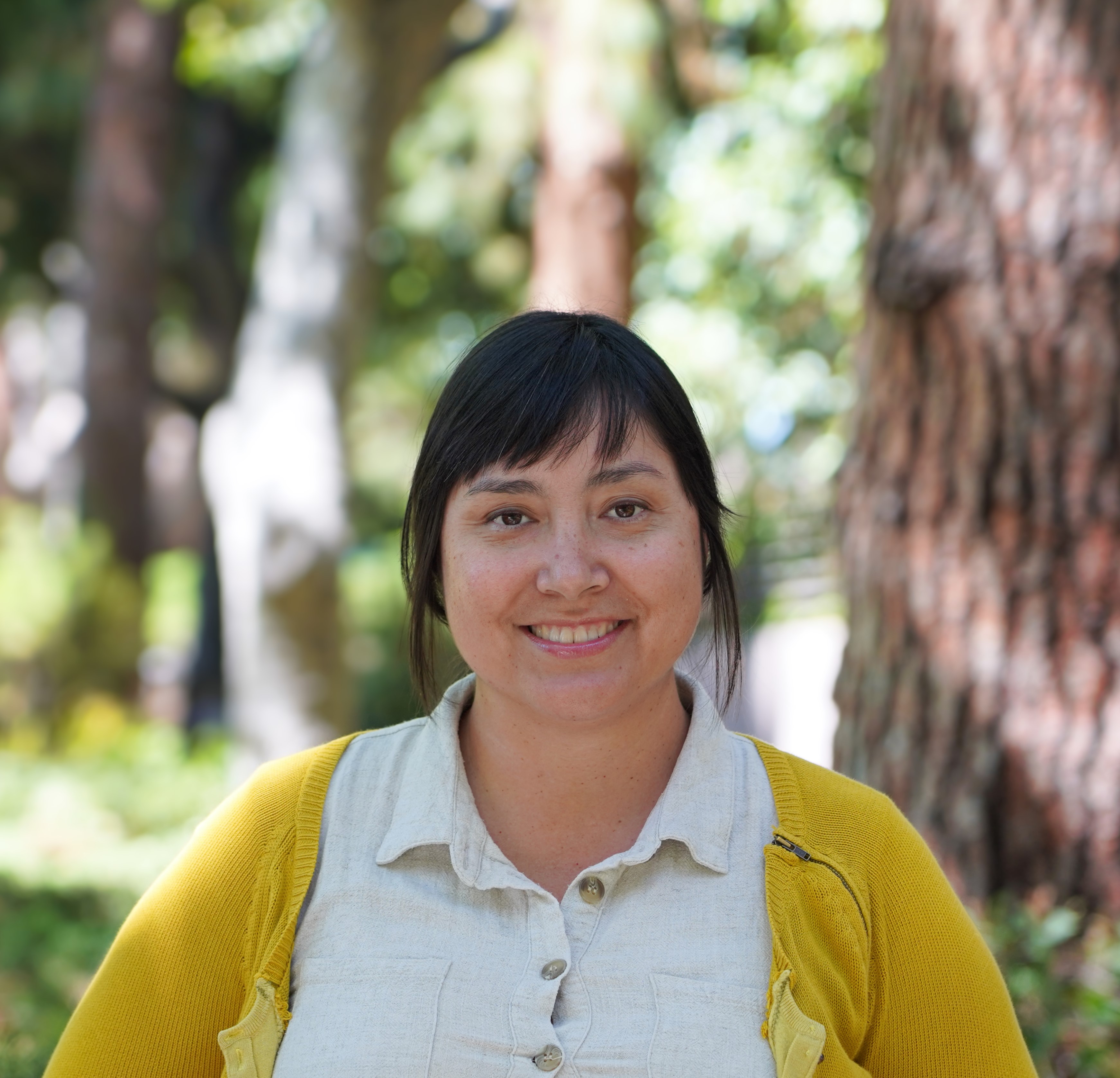 Adonia E. Lugo, PhD, is a cultural anthropologist and transportation researcher based in Tongva territory (Los Angeles). She has helped to define the concepts of "mobility justice" and "human infrastructure" as strategies for shifting communities toward sustainable mobility. Adonia is a staff researcher at the UCLA Institute of Transportation Studies, a senior advisor with Equivolve Consulting, and a board member of Los Angeles Walks.
PROFESSIONAL DEVELOPMENT
This 90-minute seminar is eligible for 1.5 hours of professional development credit for AICP (see our provider summary). We can provide an electronic attendance certificate for other types of certification maintenance.
Portland State University's Transportation Research and Education Center (TREC) is a multidisciplinary hub for all things transportation. We are home to the Initiative for Bicycle and Pedestrian Innovation (IBPI), the data programs PORTAL and BikePed Portal, the Better Block PSU program, and PSU's membership in PacTrans, the Pacific Northwest Transportation Consortium. Our continuing goal is to produce impactful research and tools for transportation decision makers, expand the diversity and capacity of the workforce, and engage students and professionals through education, seminars, and participation in research. To get updates about what's happening at TREC, sign up for our monthly newsletter or follow us on social media.


