
PRESENTATION ARCHIVE
PSU’s Institute of Metropolitan Studies is hosting this special talk, in collaboration with TREC. This presentation traces the evolution and future of road user fees as a cornerstone of U.S. transportation funding. As electric vehicle adoption rises, fuel tax revenues are declining, prompting states to search for sustainable alternatives. Dr. Agrawal explores one leading option—mileage-based fees, first pioneered in Oregon—examining both their advantages and challenges. Her research evaluates these fees through the lenses of equity, environmental sustainability, and public acceptance.
KEY LEARNING TAKEAWAYS
- The trade-offs between relying on user fees vs. general taxes to fund transportation
- The evolution of road user fees in the U.S.
- Factors influencing public support for mileage fees
- Sustainability and equity implications of mileage fees
This seminar is part of IMS’s Local Transportation Funding Research Project.
SPEAKER
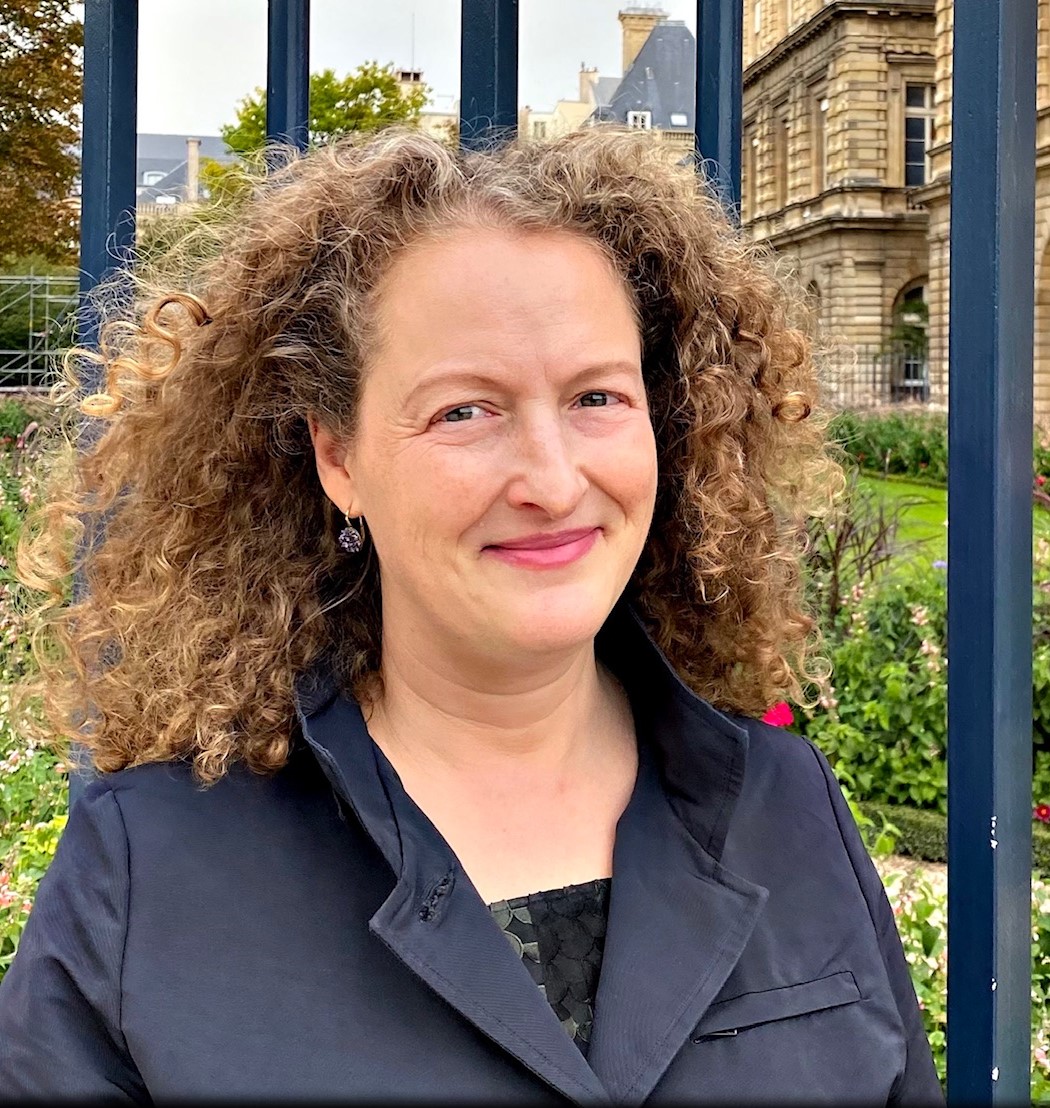
Asha Weinstein Agrawal, PhD, is Director of the Mineta Transportation Institute's National Transportation Finance Center at San José State University, where she is also Professor of Urban and Regional Planning and directs a Graduate Program in Transportation Management offered by SJSU’s Lucas Graduate School of Business with support from MTI. The online program educates working transportation professionals to prepare them for leadership careers. Dr. Agrawal has researched transportation funding policy for more than twenty-five years with a focus on public opinion, equity, and climate considerations.
 BACKGROUND
IMS’s role is to provide high quality research on system local policy challenges and to bring key partners together to develop consensus around possible solutions. As the federal government curtails its long-standing transportation funding role, and the state’s funding future looks bumpy, the cities, counties and transit districts in the Portland metropolitan area face the most significant impacts of an inadequate transportation system. When IMS met with over 100 partners in the Portland area in early 2025, one of the key questions that came up from elected officials, advocates, community leaders, and business leaders alike was, “How are we going to fund our transportation system with insufficient and disappearing tools?”
With the leadership of Jennifer Dill, PhD, Director of Portland State’s Transportation Research and Education Center, and former Congressman Earl Blumenauer, who spent 54 years in elected office working on transportation and infrastructure funding initiatives, IMS is developing a whitepaper that looks at how local transportation spending and funding in our region compare to other regions across the US, and how potential revenue sources align with revenue needs, policy goals, and ease and efficiency of implementation. This will inform a future phase of the project to bring key partners from the public, private, and nonprofit sectors together with the to build a shared understanding of our local and regional transportation funding reality, our spending challenges, and potential revenue options and develop recommendations for local governments as to how they can address those challenges.
The Institute of Metropolitan Studies (IMS), housed at Portland State, is a tool for local governments and community leaders to solve deep-seated, systemic policy challenges related to the built environment in the greater Portland area. We convene, inform, and develop recommendations that are grounded in research, vetted by impacted parties and partners, and readied for implementation by local governments. The Institute is located at Portland State University within the College of Urban and Public Affairs, allowing IMS to utilize the resources of Oregon’s urban research university to support local policymaking and policymakers.